
Replacement Truck Beds: What to Know Before Buying a Used OEM Truck Bed
A damaged truck bed can affect more than the appearance of your pickup. Significant dents, rust, collision damage, or structural problems can make the bed difficult to use and expensive to repair. In some cases, replacing the entire bed may make more sense than trying to restore the existing one.
For truck owners and repair shops looking for an alternative to purchasing a brand-new factory bed, used OEM replacement truck beds can be a practical option. However, finding the right one requires more than simply matching the make and model of the truck.
Here’s what you should know before purchasing a used OEM truck bed.
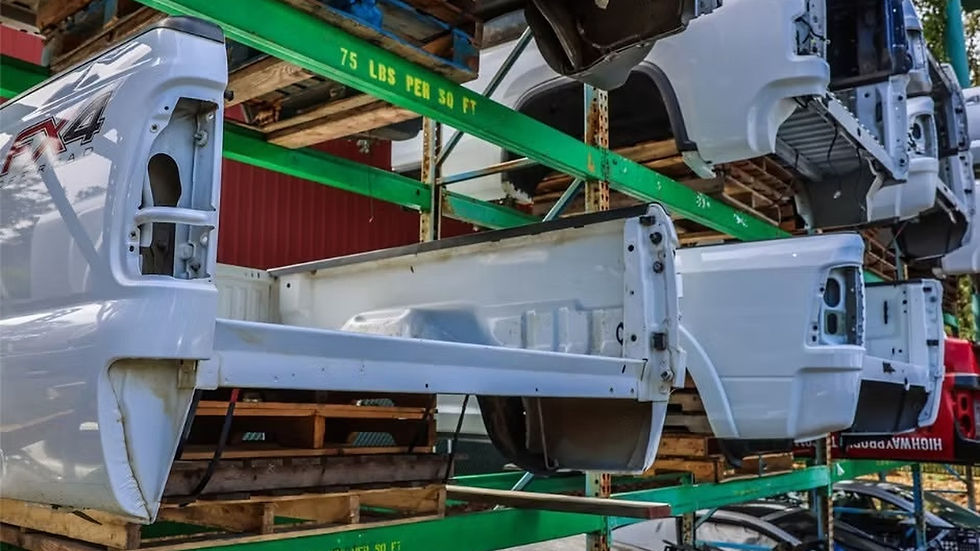
What Are OEM Replacement Truck Beds?
OEM stands for Original Equipment Manufacturer. An OEM truck bed was originally manufactured for installation on a particular make and model of pickup.
Used OEM replacement truck beds are factory truck beds that have been removed from another vehicle and made available for reuse. Depending on the source, the bed may come from a recycled vehicle or may have been removed because the original truck was modified or converted for another use.
Choosing OEM allows you to replace a damaged bed with a factory component designed for that vehicle rather than a newly manufactured aftermarket alternative.
Why Consider a Used OEM Truck Bed?
One of the primary advantages of an OEM truck bed is factory fit.
Truck beds are designed around specific vehicle dimensions, mounting locations, body lines, wheel openings, and other specifications. Using the correct OEM bed can help maintain the truck's original configuration and appearance.
A used OEM bed may also provide a cost-effective alternative to purchasing a brand-new factory replacement, particularly for an older truck.
Availability is another consideration. As vehicles age, certain new factory body components can become more difficult to locate. Recycled OEM inventory provides another way to find original components that may no longer be readily available new.
Make Sure the Truck Bed Is Compatible With Your Vehicle
Not every truck bed from the same manufacturer will fit every truck.
Even within the same model, there may be differences based on:
Model year
Bed length
Cab configuration
Trim level
Wheelbase
Drivetrain or chassis configuration
Factory options
Production changes
For example, two pickup trucks may look nearly identical but use different bed configurations.
Before ordering a replacement, verify compatibility carefully. Providing your vehicle identification number (VIN) can help identify the exact vehicle configuration and narrow down the correct part.
Replacement Truck Beds Come in Different Lengths
Bed length is one of the most important measurements when shopping for a replacement.
Depending on the truck, manufacturers may offer short, standard, and long-bed configurations. Even a small difference in dimensions can prevent a bed from fitting correctly.
Don't rely solely on photographs to determine compatibility. Confirming measurements and vehicle specifications before purchasing can help prevent an expensive mistake.
Check the Condition Before Purchasing
Used doesn't necessarily mean damaged, but the condition of replacement truck beds can vary considerably.
Before purchasing, look closely at the condition of the bed and ask about any existing damage. Depending on the individual part, you may want to check for dents, scratches, rust, previous repairs, corrosion, or damage around mounting locations.
Photos can be especially helpful when purchasing a truck bed from a supplier outside your local area.
Cosmetic imperfections may not be a concern if the bed will be refinished or repainted, but structural damage deserves closer attention.
Consider the Tailgate, Lights and Other Components
When shopping for a used truck bed, find out exactly what is included.
A truck bed assembly may or may not include the tailgate, taillights, wiring, fuel door, bumper, cameras, sensors, trim, or other components.
Modern trucks can have surprisingly complex tailgates and bed systems. Depending on the model and trim level, a tailgate might incorporate a backup camera, step system, electrical connections, locking mechanisms, sensors, or other technology.
Knowing what comes with the bed can help you determine what additional components you may need to complete the replacement.
What About the Paint Color?
Finding an OEM truck bed in the same factory color as your vehicle can be convenient, but color alone shouldn't determine whether a bed is compatible.
Paint can also fade differently depending on age, climate, storage, and sun exposure. Even if the paint code matches, a used truck bed may not perfectly match the current finish on your truck.
A body shop can determine whether refinishing or paint matching is necessary to achieve the desired appearance.
Used OEM vs. Aftermarket Replacement Truck Beds
Both OEM and aftermarket parts can have appropriate applications, but there are important differences.
An OEM truck bed was originally manufactured to the vehicle manufacturer's specifications. An aftermarket component is produced by a third-party manufacturer as a replacement for the original.
For truck owners who want to maintain the factory configuration of their vehicle, a used OEM bed provides the opportunity to replace the damaged component with another original factory part.
The best choice ultimately depends on the vehicle, availability, condition, budget, and the requirements of the repair.
Shipping a Replacement Truck Bed
Unlike a wheel or smaller automotive component, a truck bed is large and requires careful handling during transportation.
If you're purchasing one from outside your area, ask how the bed will be prepared and shipped. Freight arrangements, packaging, delivery location, and unloading requirements should all be understood before ordering.
It's also important to inspect the truck bed when it arrives and follow the seller's procedures if you notice shipping damage.
Your VIN Can Help Find the Right Replacement
When you're searching for a specific factory component, your VIN is one of the most useful pieces of information you can provide.
The VIN can help identify important details about your truck and reduce the chance of purchasing an incompatible component.
In addition to the VIN, providing the year, make, model, bed length, photos, and information about any special features can make it easier to locate the correct replacement.
Find Replacement Truck Beds With Rubicon Automotive Group
When your existing truck bed is severely damaged, rusted, or no longer practical to repair, replacing it with a quality used OEM bed may be worth considering.
Rubicon Automotive Group specializes in quality recycled OEM automotive parts and helps customers locate factory replacement components for cars, trucks, and SUVs. Shipping is available, allowing customers and repair professionals to source OEM parts even when the right component isn't available locally.
If you're searching for replacement truck beds, provide Rubicon Automotive Group with your vehicle information and the details of what you need. The right information from the beginning can help make finding a compatible OEM truck bed much easier.


Comments